Preserving Clowne’s History
Collecting and protecting our local heritage since 2003

A friendly local society dedicated to uncovering and sharing the history of our village
Founded in 2003 by lifelong Clowne resident Arthur Heap, the Clowne Local History Society is dedicated to celebrating and preserving the rich heritage of our community. More than just a historical group, the society offers a welcoming space for local residents to come together, share stories, and enjoy social and recreational activities — all while keeping the spirit of Clowne’s past alive for future generations.
Clowne – A brief history:
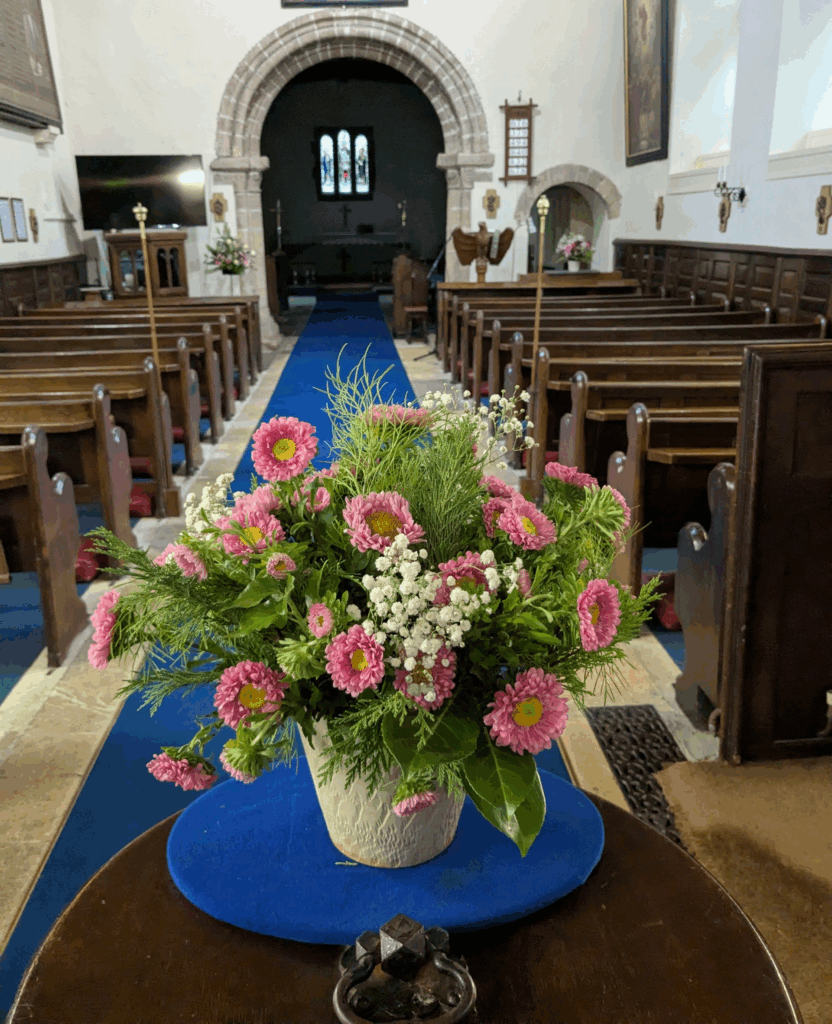
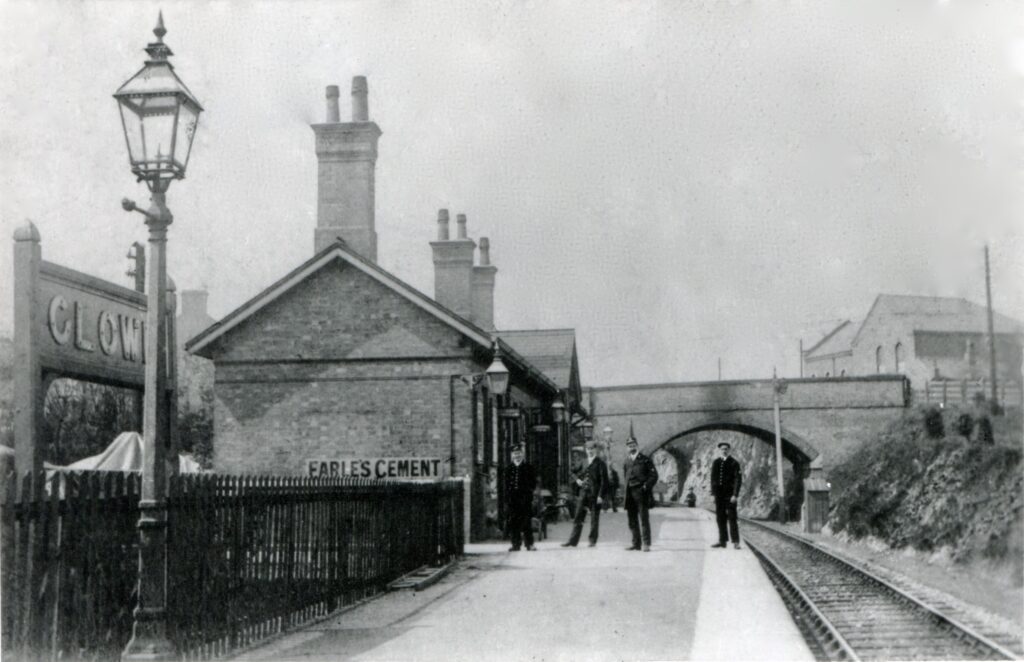
Clowne’s story stretches back to the Domesday Book of 1086, where it’s recorded as Clune. For centuries it was a rural parish shaped by farming, local trade, and long-standing landmarks like St John the Baptist Church, which dates back to the 12th century.
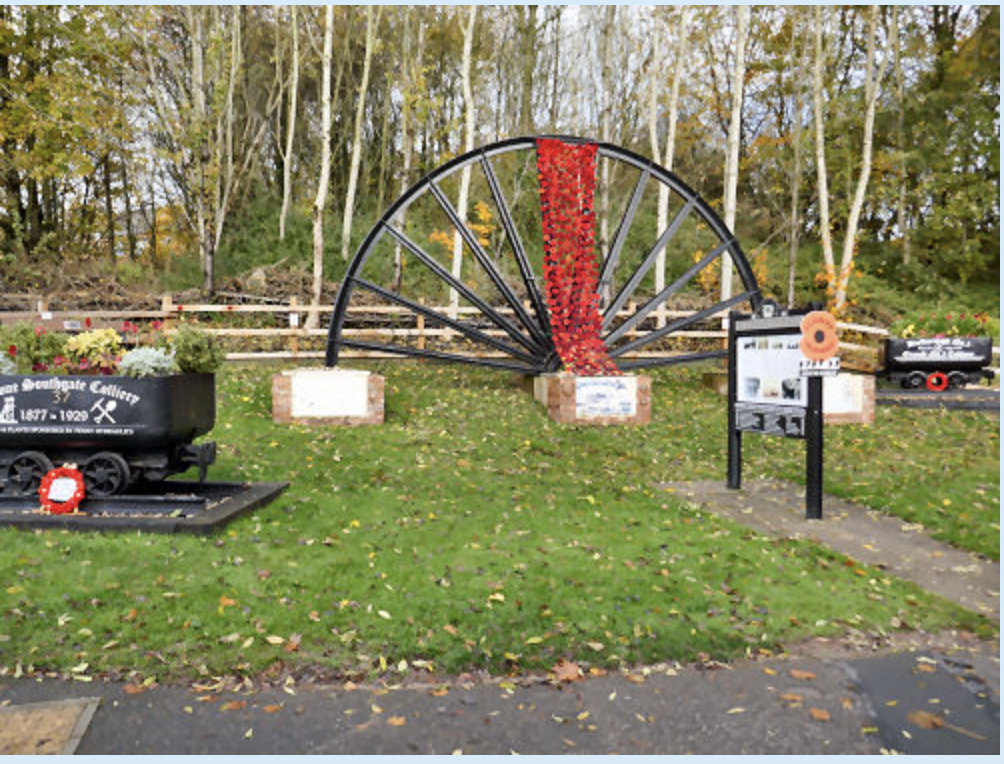
Everything changed in the 19th century as Clowne grew rapidly into a mining town, with Southgate Colliery opening in 1877 and bringing new jobs, new families, and a strong sense of shared purpose. Although the pit closed in 1929, that spirit never really left—Clowne has kept the warm, straight-talking, close-knit character that many former pit communities are known for.
Ready to start looking at your family tree?
Here are our guides to help you start:
Want to ask us a question?
Clowne and the War Effort
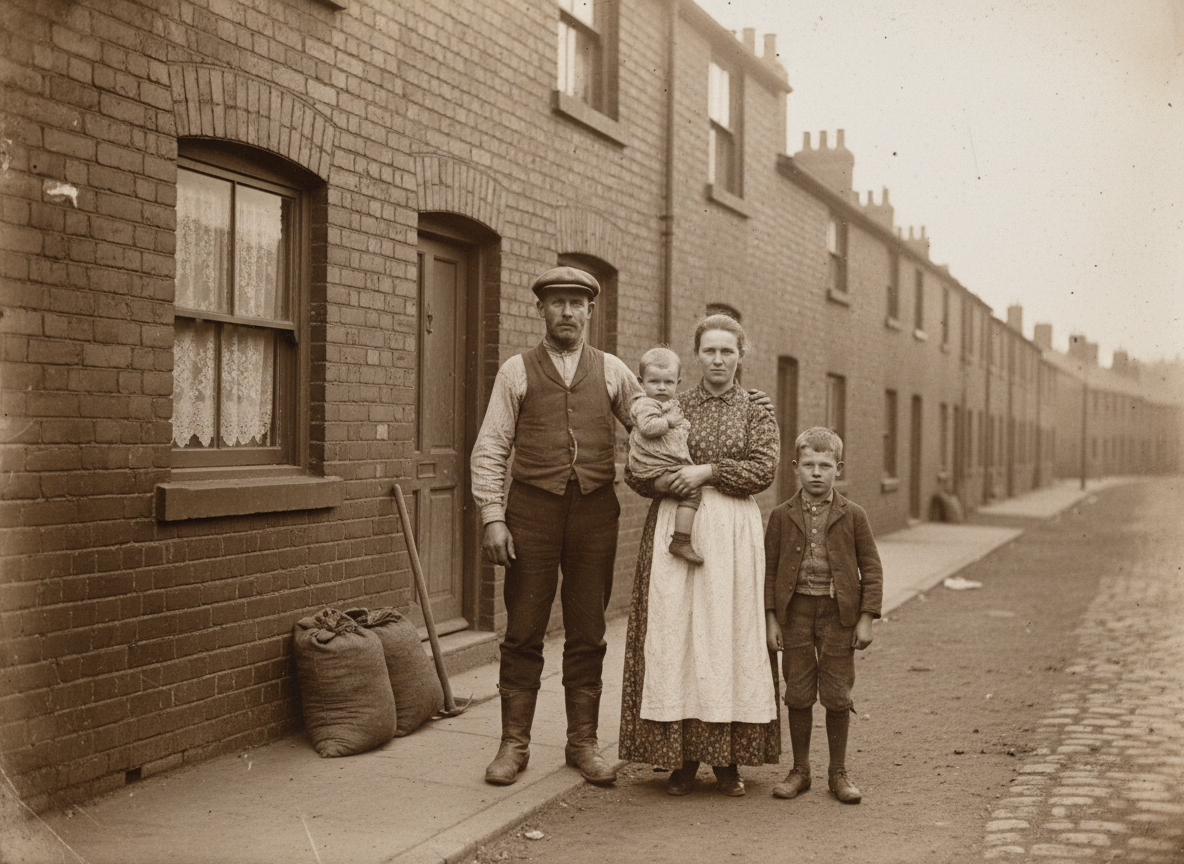
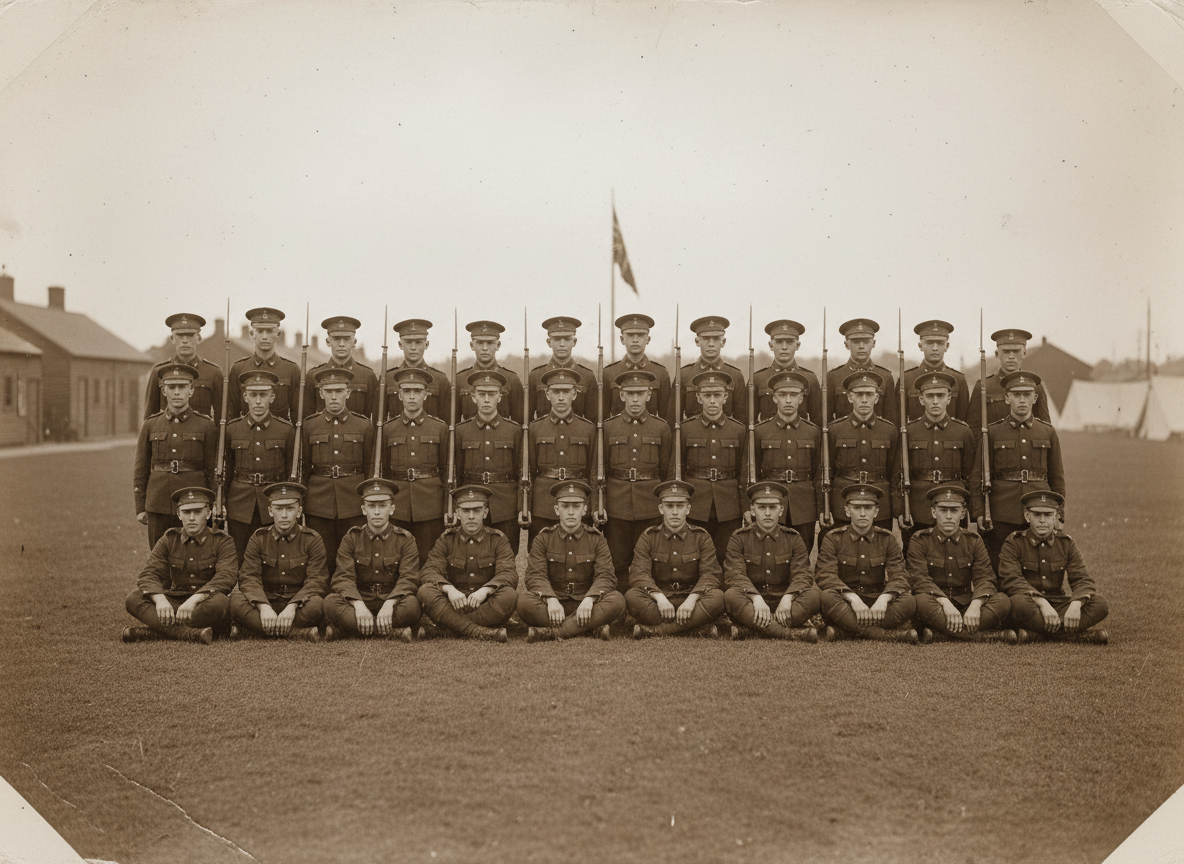
During both World War I and World War II, Clowne played its part in the national war effort. Many local men enlisted to serve, and the village saw profound changes as a result. In World War I, Clowne lost dozens of its sons, many of whom are remembered on the village’s war memorial. During World War II, Clowne was home to evacuees from cities targeted in the Blitz, and local families opened their homes to shelter them. The area’s coal mines, a major part of Clowne’s identity, were vital in fuelling the nation during wartime, making the village an unsung contributor to the Allied efforts.

Support Clowne Local Historical Society
Books, calendars and local history publications – all proceeds help fund our research and projects.
Clowne at War II
Rita Mellor
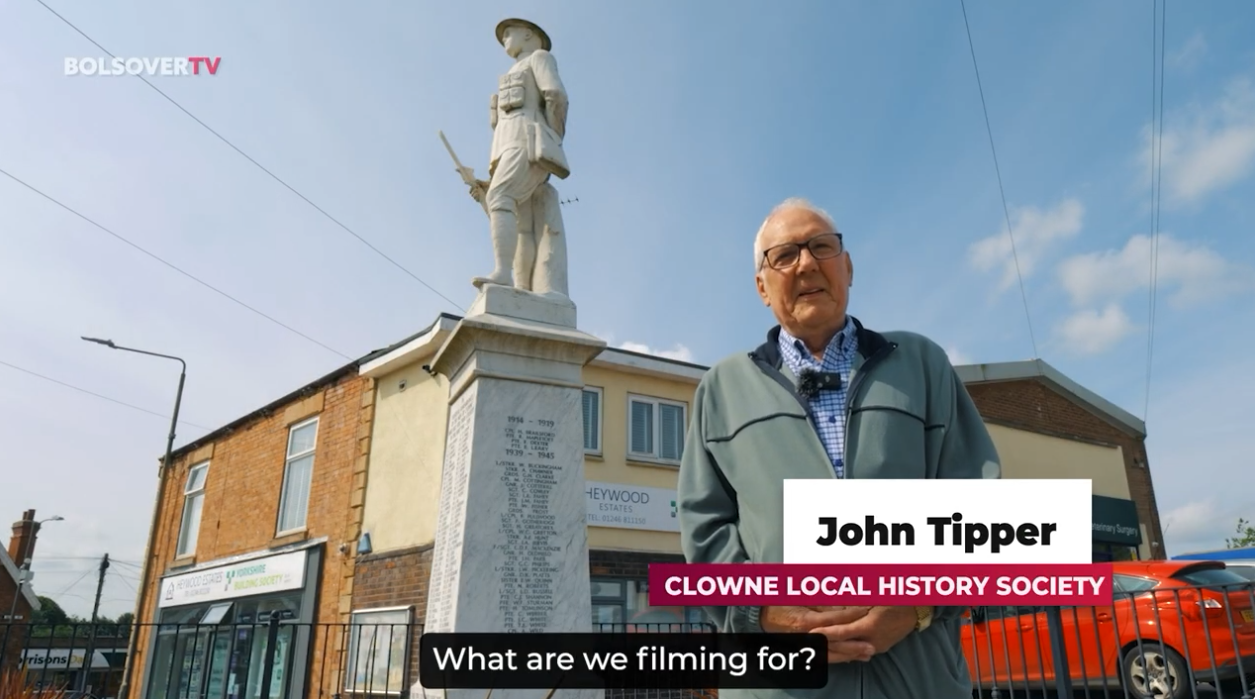
Twenty years ago, our fellow Clowne Local History Society member Rita Mellors began researching the men and women from Clowne who lost their lives in the First and Second World Wars, with the aim of producing a book. When ill health meant she couldn’t complete the First World War volume, we stepped in during 2023 to finish and launch it.
Now, two years on, we have just released our Second World War book — continuing Rita’s work and ensuring these stories are remembered.

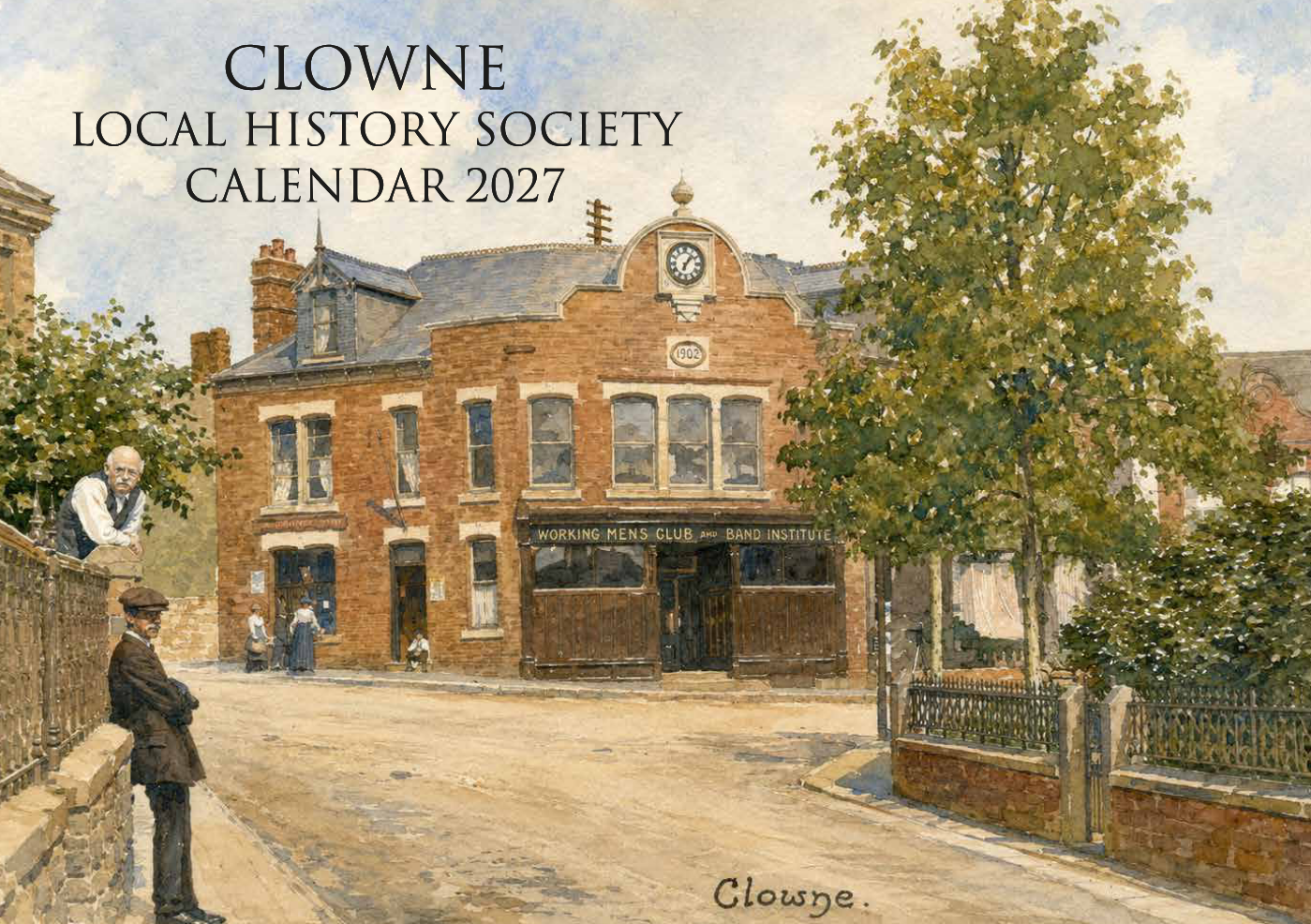
2027 Clowne Calendar – out now!
2026 was another great year for our calendar, with all funds going to help the society preserve more of our history.
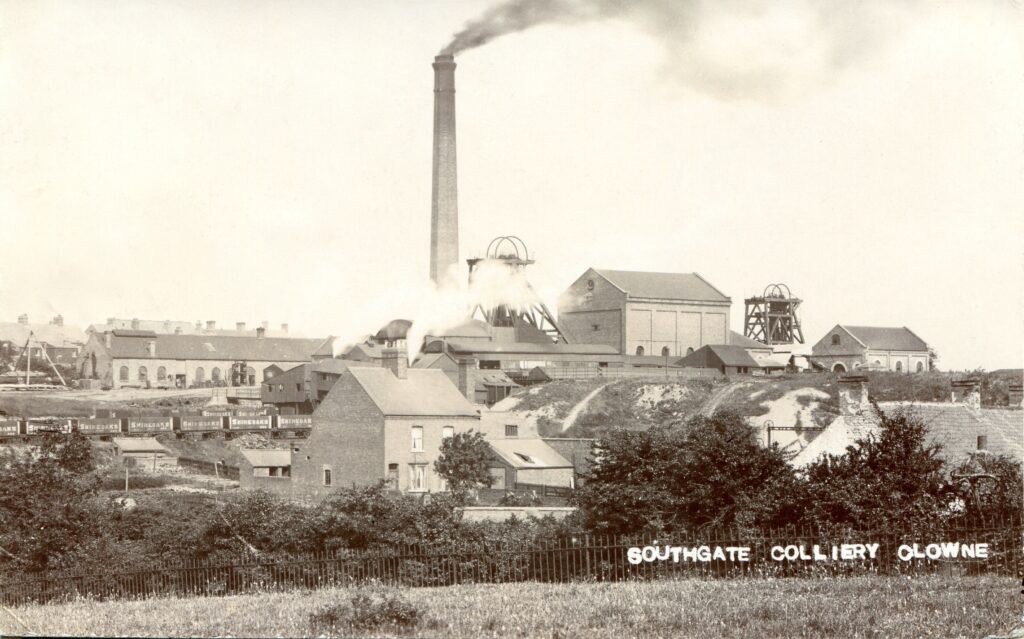
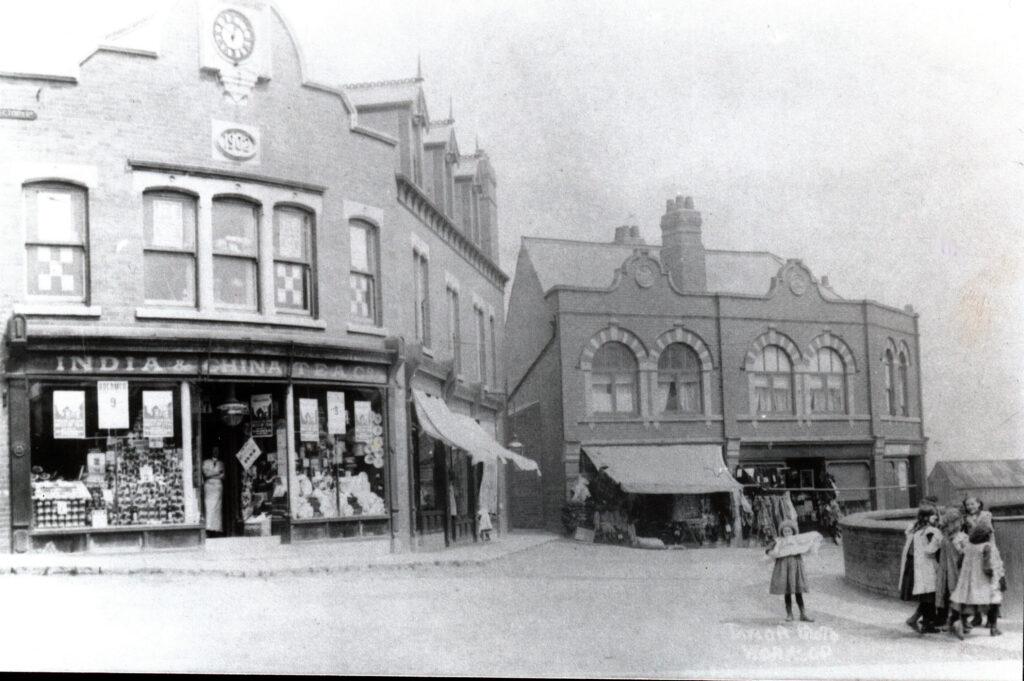
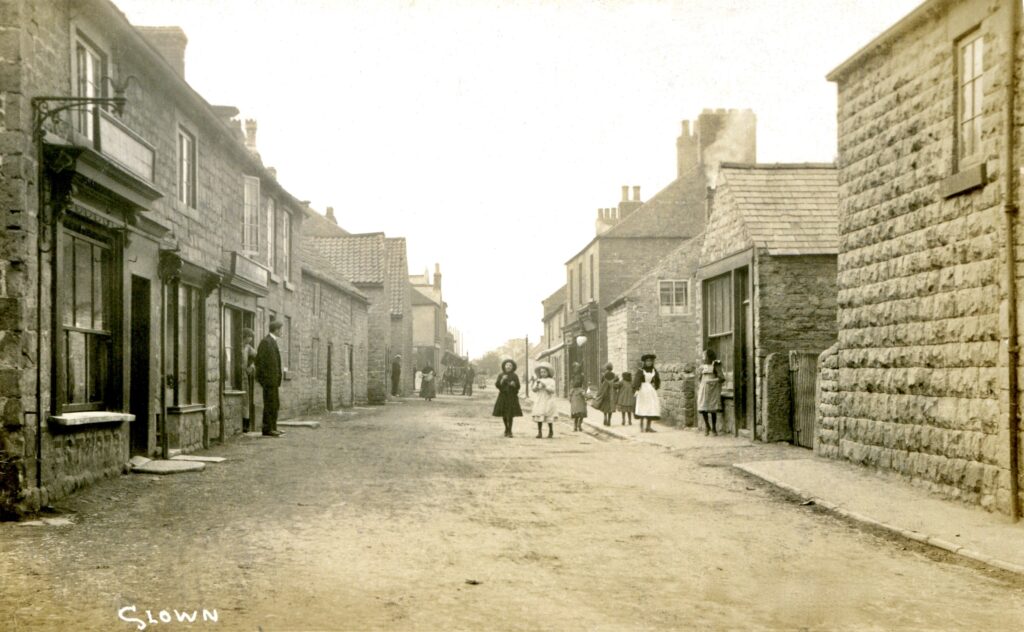
Welcome to the Clowne Local History Society – We’re dedicated to preserving our heritage and sharing the fascinating stories that shaped our community
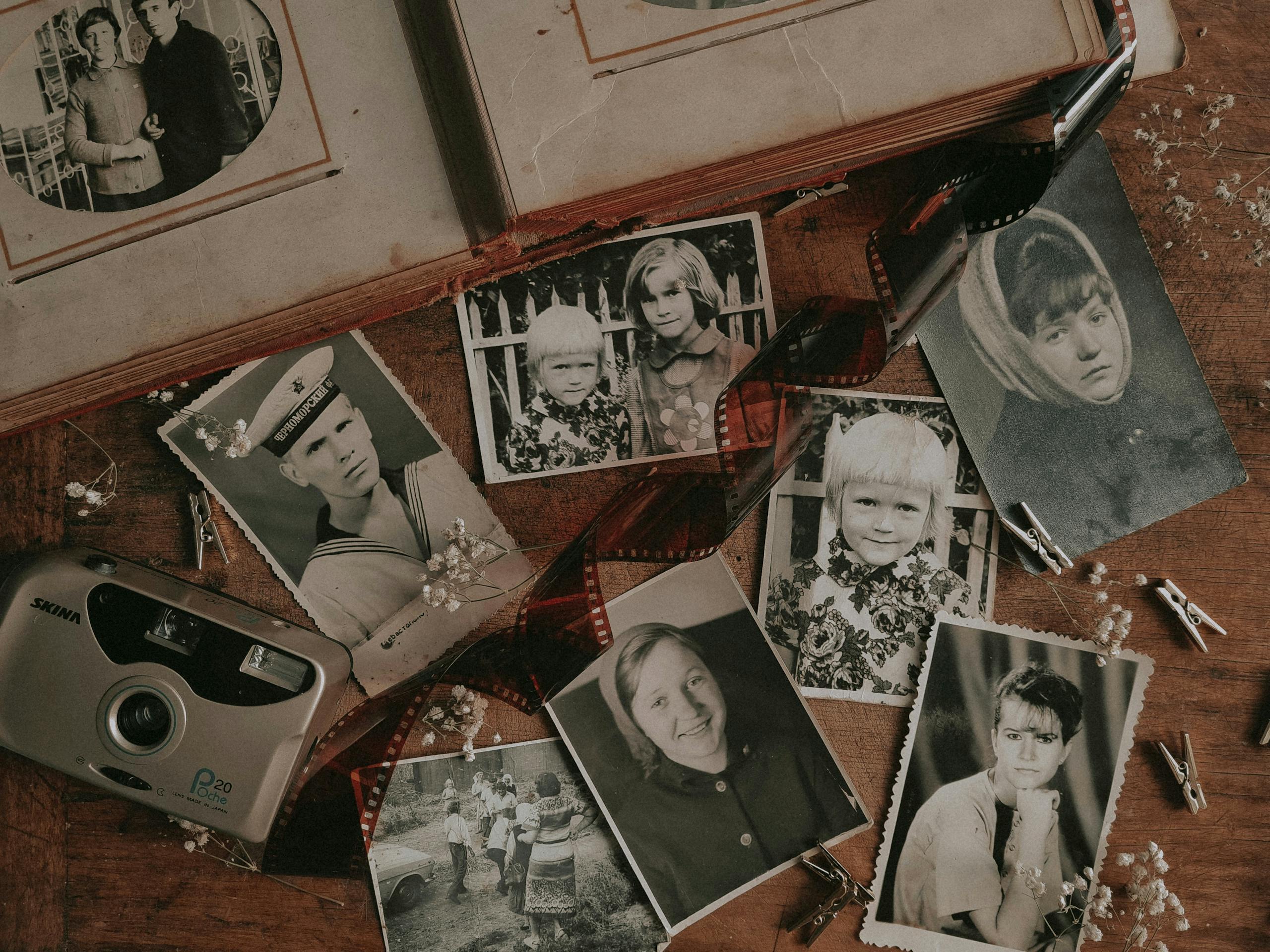
Founded in 2003 by lifelong Clowne resident Arthur Heap, the Clowne Local History Society is dedicated to celebrating and preserving the rich heritage of our community. More than just a historical group, the society offers a welcoming space for local residents to come together, share stories, and enjoy social and recreational activities — all while keeping the spirit of Clowne’s past alive for future generations.
During both World War I and World War II, Clowne played its part in the national war effort. Many local men enlisted to serve, and the village saw profound changes as a result. In World War I, Clowne lost dozens of its sons, many of whom are remembered on the village’s war memorial. During World War II, Clowne was home to evacuees from cities targeted in the Blitz, and local families opened their homes to shelter them. The area’s coal mines, a major part of Clowne’s identity, were vital in fuelling the nation during wartime, making the village an unsung contributor to the Allied efforts.