HMS Britomart (J22) was a Halcyon class minesweeper. She was launched at Devonport Dockyard on the 23rd August 1938 and commissioned one year later on the 24th August 1939. She was adopted by Clowne, Barlborough, Creswell and Whitwell villages when they raised over £62,000 to build the hull of a large minesweeper during a Warship Week in February 1942. Britomart was unfortunately sunk after a friendly fire incident and 21 sailors lost their lives. We are currently researching the family histories of these sailors.
Background
Warship Weeks were British National savings campaigns during the Second World War with the aim of a Royal Navy warship being adopted by a civil community. During the early parts of the war, the Royal Navy not only had lost many capital ships but was facing increasing pressure to provide escorts for convoys in the Atlantic. While there was not a shortage of sailors, ships sunk by enemy action had to be replaced. Under this programme, Barlborough, Clowne, Creswell and Whitwell raised money to build the hull of a large minesweeper and in recognition of this the villages adopted HMS Britomart. This is the story of HMS Britomart.
Britomart Launched 23rd August 1938
Ceremony By Miss Helen Mildmay
Six weeks after a sister-ship, the minesweeper Britomart was yesterday launched from No. 4 slip at Devonport Dockyard. The ceremony performed by the Hon. Helen Mildmay, in the presence of spectators, who include the Commander-in- Chief (Adml. the Hon. Sir Reginald Drax), the Earl of Mount Edgcumbe, and Sir Montague Eliot, was completed within fifteen minutes of its commitment.
Britomart, seventh warship to bear that name since the beginning of the 19th century, entered the Hamoaze to an accompaniment provided by the sirens of half a dozen Dockyard craft, which were “keeping” and “clear water” area.
SHIPS DRESSED OVERALL.
Ships throughout the port were dressed overall. A reminder of this fact was provided by the aircraft carrier Hermes, moored in midstream, just beyond the closed area, and visible from the launching platform.
The Commander-in-Chief was saluted on arrival by a guard of honour and the band of the R.N. Barracks, Devonport. Mounting the launching platform, he joined a group consisting of Miss Mildmay, the Admiral-Superintendent of the Dockyard (Vice-Adml. A.LSnagge) and the manager of the Constructive Department (Mr. A.Nicholls). A short service conducted by Rev.W.Gill, chaplain of the Royal Dockyard, preceded the launching. Accompanying the hymn rendered was the band of Plymouth Divine Royal Marines. The service ended, the chaplain surrendered his place before the bows of the warship to Miss Mildmay, who was carrying a bouquet of pink carnations presented to her by Julia Merry, the grand-daughter of the Constructive Manager.
THREE FLAGS
A bugle was sounded by a naval rating near the platform, and in the well of the slip a party of Dockyardmen swung sledge-hammers to release the chocks securing the dog shores. Their work was completed in less than a minute. Cradles in the greased slipways, Britomart , gleaming in a new coat of paint, wore three flags – Admiralty flag on her ensign staff, the White Ensign at the peak, and the Union Jack at her jack-staff. These fluttered in a stiff breeze which drove deaths of mist across the heights of Mount Edgecombe as the final preparations were completed and men doubled from the well at the sound of a bell.
Naming the ship, Miss Mildmay lifted from the stem a garland in which was secured a bottle. Wine flowed down the ship’s side as she allows the container to splinter against the hull. The launching trigger was secured by a rope led to the launching platform. This Miss Mildmay severed with one blow with a mallet upon a chisel held by the Constructive Manager.
DOWN TO THE WATER
For a fraction of a second the ship’s movement was imperceptible. Then she sped with increasing momentum to the water. Cheers from the group of spectators surrounding the ship almost overwhelmed the melody of “Rule Britannia,” played by the R.M Band. The sip becoming water-borne, her way checked by drag chains, and she was towed by tugs to North Yard for fitting out. As workmen in boats rowed to her sides, Admiral-Superintendent called for cheers for Miss Mildmay. These given, Miss Mildmay reciprocated by claiming a similar acclamation for the men who had built the ship.
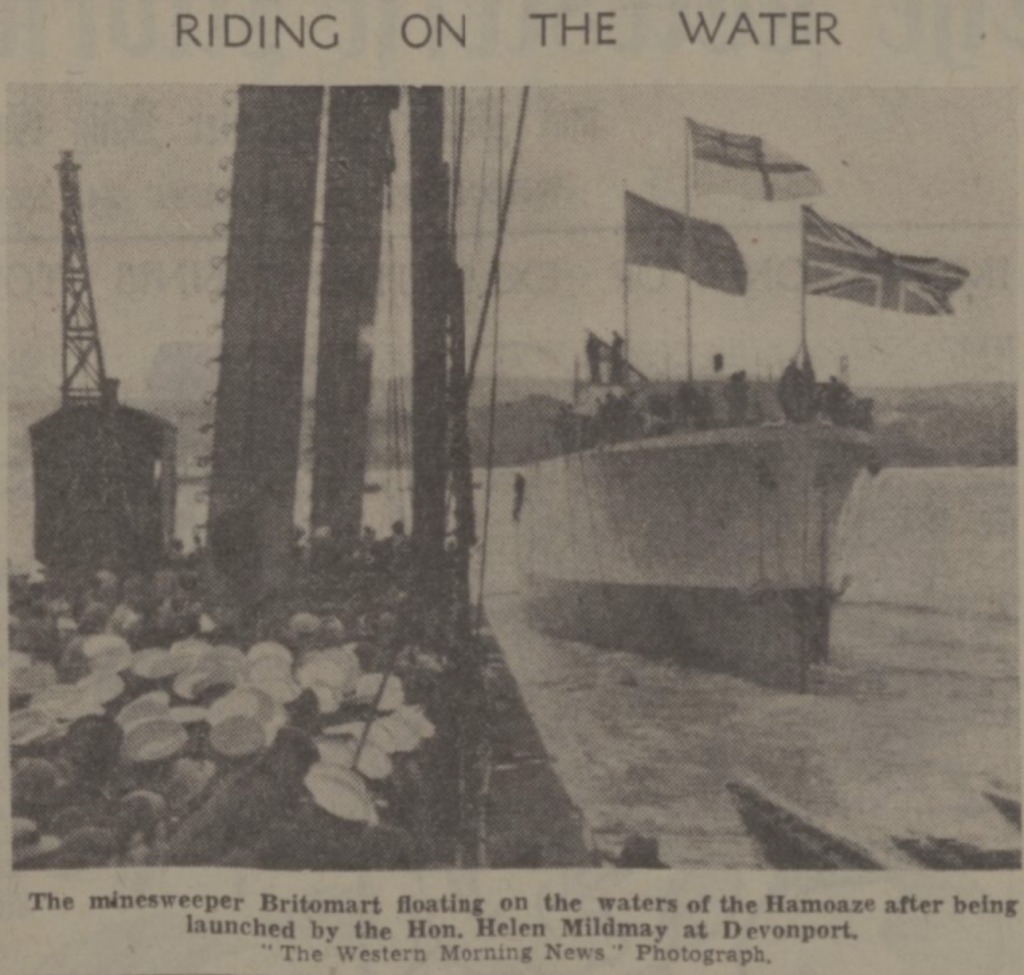
Britomart, sixth “Halcyon” class minesweeper constructed at Devonport will be completed next year. She will displace about 875 tons, be capable pf a speed of seventeen knots, and mount two 4in. guns. She will cost the nation in the region of £160,000.
November 1941
TARGET £62,450
CLOWNE RURAL DISTRICT WARSHIPS WEEK
Meetings of representatives from Barlborough, Clowne, Whitwell and Creswell have been held under the chairmanship of Mr. L. Henton, of Creswell, and decisions have been reach that the area should organise a Warship Week during February 13-21st February, 1942. The target is to be £62,450 – the price of the hull of a large minesweeper. The total cost of a large minesweeper is £136,485, and the committee is to try to raise at least this sum before the end of the Winter Campaign, March 28th, 1942.
The Admiralty will allow the area to adopt a ship, and if the hull is paid for during the “Week” a plaque similar to the one in the ship will be allocated to the area. All contributions paid through the war savings groups, banks and post offices in the are will count towards the objective.
February 1942
Clowne to Adopt Mine-sweeper
Clowne Rural Area’s Warship Week opens to-morrow (14th February 1942) with a target of £62,450, the cost of a hull of a large minesweeper. If Clowne realises its aims, the area will adopt the minesweeper, HMS Britomart
Provided they can raise sufficient money during Warship Week, Clowne Rural Council are to adopt the mine-sweeper Britomart which last week shot down a enemy raider.
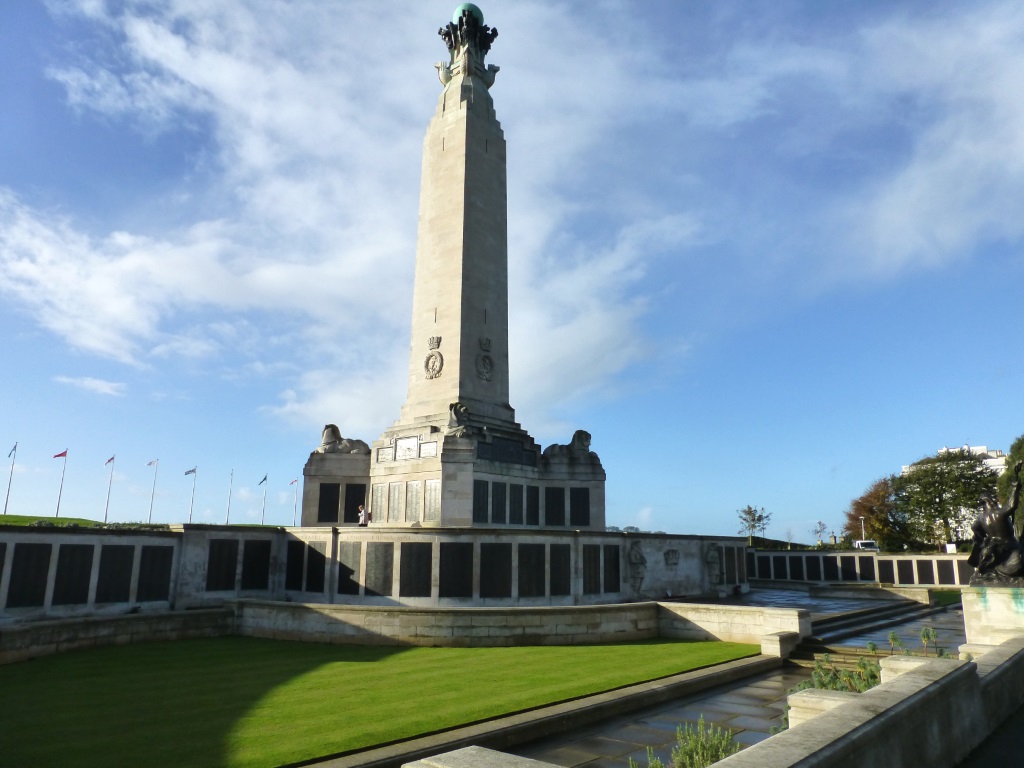
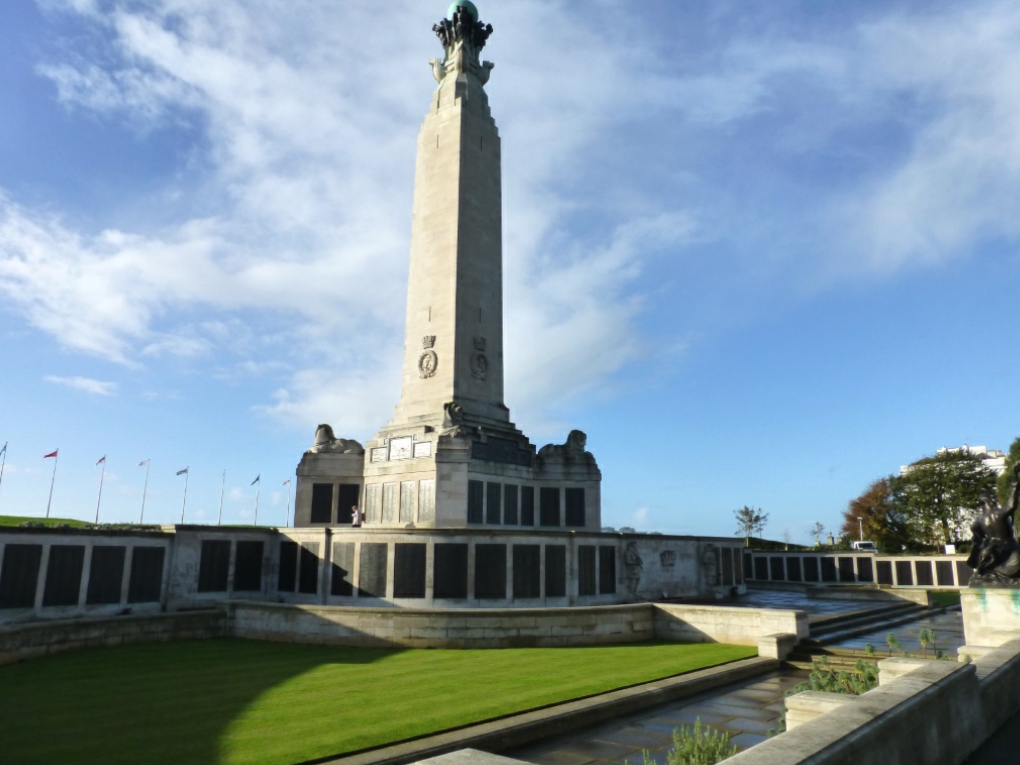
The following table show the sailors that were killed/(died later) on the 23rd August 1944. Two sailors were severely wounded and died later, and are buried in their home towns while the remaining 19 sailors are commemorated on the Plymouth Naval Memorial
| Surname | First Name | Rank | Service Number |
| Bowen | Thomas Wilson | Ordinary Seaman | D/JX 570723 |
| Brickle | Lewis Henry Hubert | Able Seaman | D/J 24580 |
| Cutler | Gerald | Able Seaman | D/SSX 24580 |
| Deakin | William Richard | Able Seaman | D/J 73416 |
| Gerred | Albert Newton | Chief Yeoman of Signals | D/J 90489 |
| Harrison | Joseph | Able Seaman | D/JX 238295 |
| Johnson | Ernest Charles | Ordinary Seaman | D/JX 570743 |
| Jones | Alan Hugh | Ordinary Seaman | D/JX 559094 |
| Jones1 | Leon Kenneth Edgar | Ordinary Seaman | D/JX 559568 |
| Marsh | George Herbert | Stoker 1st Class | DKX/ 147555 |
| Marston | Sidney Clifford | Able Seaman | D/JX 184868 |
| Murray | Patrick | Petty Officer – Stoker | D/KX 86002 |
| Roles | John Henry | Ordinary Telegraphist | D/JX 610352 |
| Schofield | Philip James | Ordinary Seaman | D/JX 570495 |
| Smith | Walter George | Leading Steward | D/LX 24871 |
| Spence | William Robert | Able Seaman | D/J 89495 |
| Sykes | Ernest William | Able Seaman | D/JX 304909 |
| Ware | Kenneth Martin | Sub-Lieutenant | CWGC |
| West | Albert Edward | Stoker 1st Class | D/KX 152777 |
| Whitfield | William Frederick | Signalman | D/J 39682 |
| Yates2 | Charles | Stoker 1st Class | D/KX 140883 |
- Died on the 31st August 1944, and buried in Newport Cemetery ↩︎
- Died on the 10th September 1944, and buried in Bootle Cemetery ↩︎
- Died on the 31st August 1944, and buried in Newport Cemetery ↩︎
- Died on the 10th September 1944, and buried in Bootle Cemetery ↩︎
HMS Britomart
The story of Clowne’s adopted warship and the 21 sailors who lost their lives
HMS Britomart (J22) was a Halcyon-class minesweeper launched at Devonport Dockyard in 1938. During Warship Week in February 1942, the villages of Clowne, Barlborough, Creswell and Whitwell raised over £62,000 to adopt her. Tragically, she was sunk in a friendly fire incident on 27 August 1944, and 21 sailors lost their lives.
Launched
23 August 1938
Devonport Dockyard
Adopted
February 1942
by Clowne & surrounding villages
Lost
27 August 1944
Friendly fire incident
Warship Weeks were British National savings campaigns during the Second World War with the aim of a Royal Navy warship being adopted by a civil community. During the early parts of the war, the Royal Navy not only had lost many capital ships but was facing increasing pressure to provide escorts for convoys in the Atlantic. While there was not a shortage of sailors, ships sunk by enemy action had to be replaced. Under this programme, Barlborough, Clowne, Creswell and Whitwell raised money to build the hull of a large minesweeper and in recognition of this the villages adopted HMS Britomart. This is the story of HMS Britomart.
A Timeline of HMS Britomart
Launched at Davenport
23rd August 1938
HMS Britomart was launched from No. 4 slip at Devonport Dockyard. The ceremony was performed by the Hon. Helen Mildmay in the presence of Admiral Sir Reginald Drax.
Warship Week
November 1941
A target of £62,450 was set – the cost of a minesweeper hull. Representatives from Barlborough, Clowne, Whitwell and Creswell began planning.
Clowne adopts Britomart
February 1942
During Warship Week (14–21 February), the four villages raised the funds and officially adopted HMS Britomart.
Active service
1942 – 1944
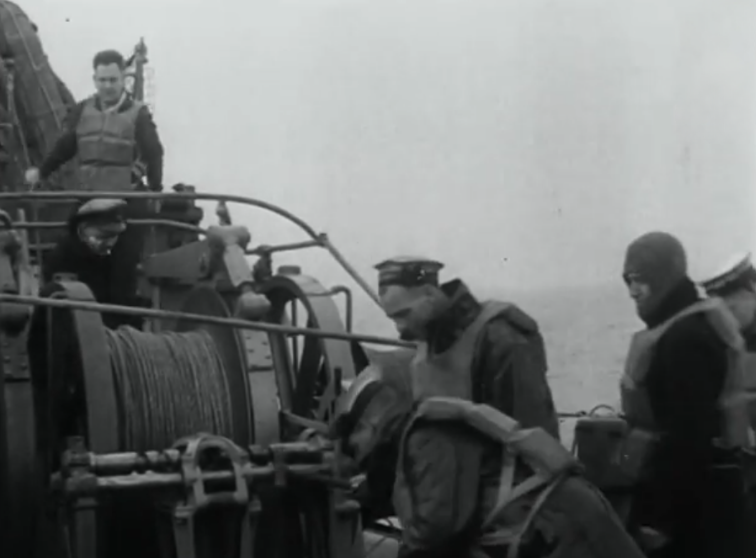
Britomart served with the Royal Navy on minesweeping operations, clearing the seas of enemy mines.
Tragedy strikes
27 Aug 1944
HMS Britomart was sunk in a friendly fire incident. Twenty-one sailors lost their lives. Nineteen are commemorated at the Plymouth Naval Memorial.
Life on a WW2 minesweeper

The following table show the sailors that were killed/(died later) on the 23rd August 1944. Two sailors were severely wounded and died later, and are buried in their home towns while the remaining 19 sailors are commemorated on the Plymouth Naval Memorial
Surname | First Name | Rank | Service Number |
|---|---|---|---|
Thomas Wilson | Ordinary Seaman | ||
Lewis Henry Hubert | Able Seaman | ||
Gerald | Able Seaman | ||
William Richard | Able Seaman | ||
Albert Newton | Chief Yeoman of Signals | ||
Joseph | Able Seaman | ||
Ernest Charles | Ordinary Seaman | ||
Alan Hugh | Ordinary Seaman | D/JX 559094 | |
Leon Kenneth Edgar | Ordinary Seaman | ||
George Herbert | Stoker 1st Class | ||
Sidney Clifford | Able Seaman | ||
Patrick | Petty Officer – Stoker | ||
John Henry | Ordinary Telegraphist | ||
Philip James | Ordinary Seaman | ||
Walter George | Leading Steward | ||
William Robert | Able Seaman | ||
Ernest William | Able Seaman | ||
Kenneth Martin | Sub-Lieutenant | ||
Albert Edward | Stoker 1st Class | ||
William Frederick | Signalman | ||
Charles | Stoker 1st Class |
The launch Story: 23 August 1938
Six weeks after a sister-ship, the minesweeper Britomart was launched from No. 4 slip at Devonport Dockyard. The ceremony was performed by the Hon. Helen Mildmay, in the presence of spectators including the Commander-in-Chief, Admiral the Hon. Sir Reginald Drax, the Earl of Mount Edgcumbe, and Sir Montague Eliot.
Ships throughout the port were dressed overall. The aircraft carrier HMS Hermes was moored in midstream, visible from the launching platform. A short service was conducted by Rev. W. Gill, chaplain of the Royal Dockyard, before the launch.
A bugle sounded, and Dockyardmen swung sledge-hammers to release the chocks. Britomart, gleaming in a new coat of paint, wore three flags – the Admiralty flag, the White Ensign, and the Union Jack.
The ship sped with increasing momentum to the water. Cheers from spectators almost overwhelmed the melody of “Rule Britannia” played by the Royal Marines Band. As Britomart became waterborne, the Admiral-Superintendent called for cheers for Miss Mildmay. She reciprocated by claiming a similar acclamation for the men who had built the ship.
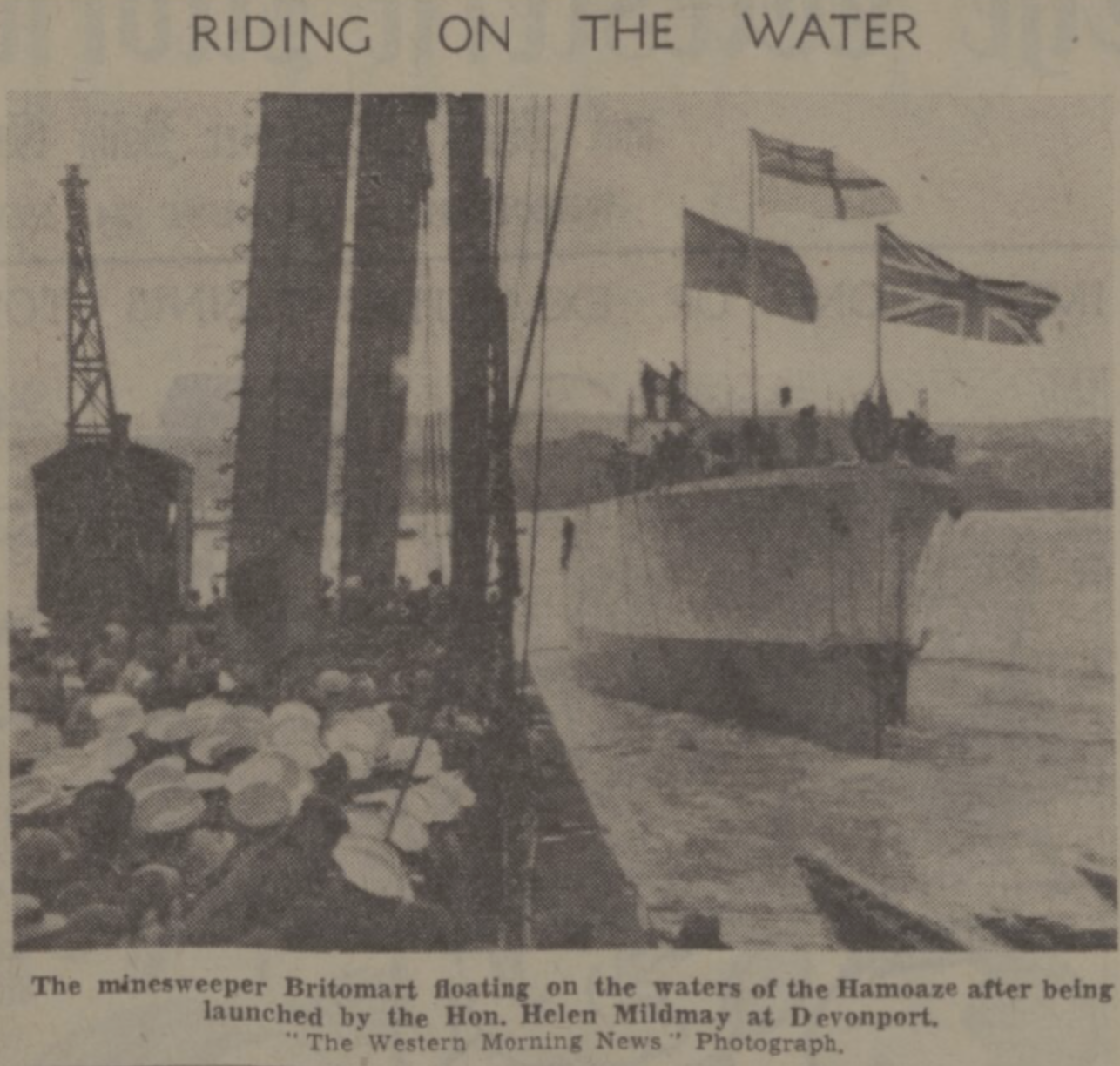
“Naming the ship, Miss Mildmay lifted from the stem a garland in which was secured a bottle. Wine flowed down the ship’s side as she allowed the container to splinter against the hull.”
Warship Week: February 1942
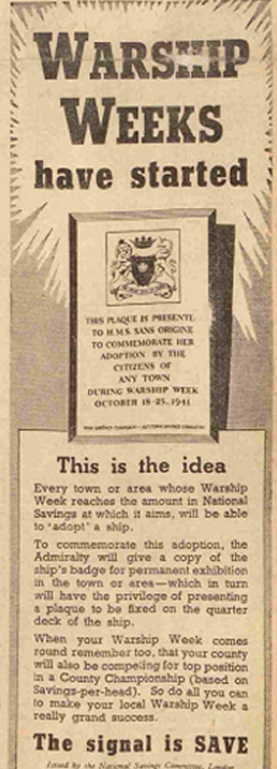
Warship Weeks were British national savings campaigns during the Second World War. Communities raised money to fund the construction of Royal Navy vessels, and in return were allowed to “adopt” a ship.
In November 1941, representatives from Barlborough, Clowne, Whitwell and Creswell set a target of £62,450 – the cost of a minesweeper hull. The total cost of a large minesweeper was £136,485, and the committee aimed to raise at least this sum before the end of the Winter Campaign.
£62,450
the target raised by Clowne, Barlborough, Creswell and Whitwell to build the hull of HMS Britomart
The Admiralty agreed that if the hull was paid for during Warship Week, a plaque similar to the one displayed on the ship would be allocated to the area. During the week of 14–21 February 1942, the four villages achieved their goal and officially adopted HMS Britomart.
A Tragic Loss: 27 August 1944
On 27 August 1944, HMS Britomart was operating off the coast of France when she was attacked in a friendly fire incident. The ship was sunk, and 21 sailors lost their lives.
Two sailors who were severely wounded died later and are buried in their home towns. The remaining 19 are commemorated on the Plymouth Naval Memorial, which honours those who died at sea with no known grave.